

1. Industry market trends
According to the global market research report, in the past decade, the scale of the global edible oil market has shown a year-on-year growth trend from 2014 to 2024, and has maintained a relatively stable market scale in the past three years. According to the research report, by 2032, the global market share of edible oil will increase from US$218.36 billion in 2024 to US$369.3 billion.

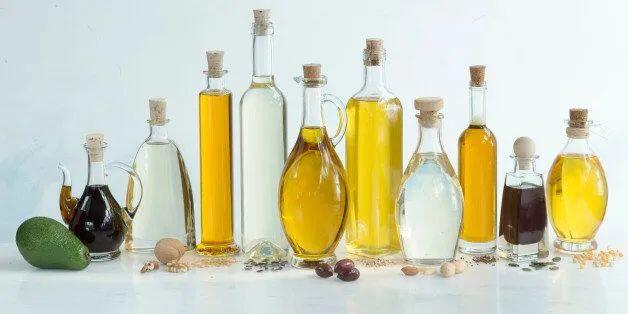
The most critical factor affecting the edible oil industry market is consumer demand. For example, the current consumer demand for healthy, low-fat, green and pure natural health has spawned the production and development of cold-pressed oil, organic oil, and non-GMO oil; for example, the demand for novel tastes by consumers has spawned the diversification of edible oils in the market, from the initial peanuts, soybeans, sunflower seeds, and cottonseed oils to today's olive oil, walnut oil, sesame oil, avocado oil, coconut oil and other diversified varieties; for example, with the continuous development of the tourism industry and the development of globalization, people's travel frequency is getting higher and higher, and edible oils of different packaging types such as small bags of edible oil and small bottles of edible oil have also become consumers' choice.
In addition, another key factor affecting the edible oil market comes from the supply side. From a global perspective, there are countless edible oil producers, from large oil mills to small oil mills. Most global edible oil mills produce corresponding edible oils based on local crop varieties, and some purchase crude oil based on the supply and demand relationship in the local market for refining. According to market research reports, the global refining market has shown a slight growth trend in the past five years, and it is expected that there may be a blowout growth in the future.
It can be seen that the current global edible oil market is large and has many growth potentials, but the current edible oil industry is also mixed, and there is a phenomenon of producing fake oil, so countries also need to regulate this to maintain the stability of the edible oil market.
2. Case introduction
Customer country: Malawi
Customer raw materials: sunflower seeds
Processing capacity: one ton per day, six hours a day
Customer project introduction: The inquiring customer is the chief of an agricultural cooperative organization in a region of Malawi, and wants to buy a machine to start an edible oil business. This organization mainly grows sunflower seeds and wants an oil press and oil filter for producing sunflower oil, which will bring new economic growth points to local farmers and increase the added value of their products. Based on the needs of the customers, we recommended a 95-type oil press and a plate and frame oil filter to the customers.


Customer feedback: After receiving the machine, the customer successfully operated the machine with our online guidance and squeezed out sunflower oil smoothly. It has now entered stable production.


